
Method
Before/After Prompt Experiments: How We Test AEO
Our entire editorial method in one article: how to design a prompt experiment that proves an AEO change actually moved an AI answer.

Clark Tota
Editor & Founder
Published May 15, 2026 · Updated May 18, 2026 · 10 min read
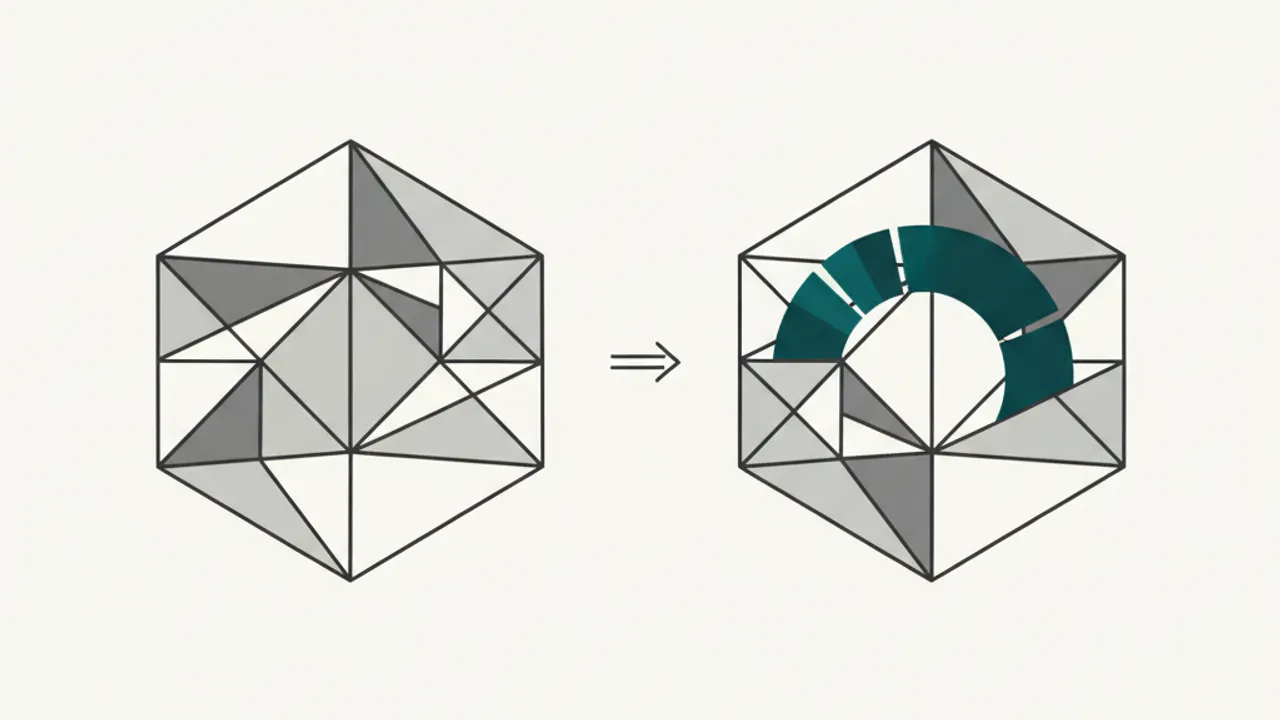
Everything published in Answer Engine Weekly is backed by a before/after prompt experiment. This article is the method itself — the protocol we use, and the one we recommend any agency adopt before it claims an AEO result.
Step 1: Fix the prompt set
Choose a fixed set of prompts — typically 8 to 15 — that represent how a real customer would ask an engine about the category. Write them down verbatim. They must not change for the life of the experiment, or the comparison is meaningless.
Step 2: Capture the baseline
Run every prompt on every target engine — ChatGPT with search, Perplexity, Google AI Overviews, Claude. For each, record: the cited sources, whether the client appears, and a screenshot. The screenshot is non-negotiable; it is the evidence.
Step 3: Make one change at a time
Change one variable — an answer-first rewrite, a schema addition, a new corroborating mention. If you change five things and citations move, you have learned nothing about which thing worked.
Step 4: Wait for re-crawl, then re-measure
Engines need time to re-crawl and re-index. Wait two to four weeks, then re-run the identical prompt set and capture the same evidence.
Before
An early issue claimed a tactic worked based on a single before/after run.
After
Re-running with three captures per prompt revealed the 'improvement' was within engine noise — the tactic was dropped.
Takeaway
The discipline of controlling for noise is what separates proof from a guru anecdote. We would rather kill a finding than publish a coincidence.
Step 5: Report honestly
Publish the before screenshot, the after screenshot, the single change, and the citation-share delta. If the change did nothing, publish that too. The anti-hype position only holds if you are willing to report your own failed experiments.

The Editor
Clark Tota
Clark Tota runs Answer Engine Weekly and a GEO/AEO consulting practice. He spends his weeks running prompt experiments against ChatGPT, Perplexity, Google AI Overviews and Claude — measuring which sources get cited and why — then writing up what actually moved the needle.
More about Answer Engine Weekly →The Weekly
One issue a week. A real experiment, the data, what it means.
One issue a week. A real AEO experiment, the raw data, and what it means for your agency. No fluff, no guru theatre.
No spam. Unsubscribe anytime. We send one email a week.
Keep reading
Measuring AI Citations: A Reporting Framework
If you cannot measure citations, you cannot sell AEO. Here is a reporting framework an agency can run every month.
May 9, 2026

GEO for Solar Companies: How Texas Installers Get Recommended by AI Instead of Buying Recycled Leads
A worked vertical case study: Generative Engine Optimization applied end-to-end to one of the hardest US lead-gen markets — Texas residential and commercial solar. The methodology, not the hype.
May 19, 2026

GEO for Marketing Agencies: The Practical Playbook
Generative Engine Optimization is the cleanest new service line an agency has had in a decade. Here is how to scope it, price it, and prove it works.
May 4, 2026